Afghanistan in one click
September 2026
Comprehensive Synthesis of Cross-Border Armed Escalations, Hydrocarbon Accords, Migration Influx, and Sectoral Governance Developments
September 1 – 30, 2026
Security, Energy, Aid, Economy
October 10, 2026
Executive Summary & Strategic Landscape
September 2026 marked a critical inflection point for Afghanistan, characterized by a sharp military re-escalation along the eastern and southern frontiers, significant diplomatic friction over regional security mandates, and high-stakes foreign resource agreements negotiated against the backdrop of international sanctions. After several months of uneasy containment following cross-border skirmishes in early 2026, armed conflict between Pakistani security forces and Afghan units flared violently, precipitating targeted airstrikes, civilian casualties, and severe diplomatic strain.
Concurrently, the de facto authorities pursued aggressive domestic resource monetization. On September 7, Kabul finalized an exploration pact with Saudi Arabia's Delta Group to survey hydrocarbon basins in Herat and advance feasibility studies for a 700-kilometer export pipeline. The high-profile involvement of former U.S. envoy Zalmay Khalilzad in facilitating the deal triggered immediate warnings of secondary sanctions from Washington, demonstrating the enduring legal and financial barriers facing foreign investment in the country.
On the humanitarian and socio-economic front, international agencies documented unprecedented systemic stress. The International Organization for Migration confirmed that forced returns and deportations from neighboring Iran and Pakistan surpassed 6.5 million since late 2023, severely overtaxing provincial health and housing infrastructure. Compounding this, food security assessments confirmed Crisis-level (IPC Phase 3) acute food insecurity across six provinces, driven by recurring trade border blockades, even as favorable seasonal rainfall provided an optimistic forecast for the upcoming winter wheat planting campaign.
Geopolitical Security: Durand Line Escalation & Civilian Impact
Resurgence of Cross-Border Kinetic Airstrikes in Kunar and Helmand

Following a lethal militant assault on a Pakistani police station in northwestern Pakistan that claimed 24 security personnel lives, the Pakistani military executed successive waves of overnight aerial strikes deep inside Afghan territory on September 20, 24, and 30, 2026. Kinetic strikes struck multiple residential clusters in eastern Kunar Province and southern Helmand Province, centering on Garmsir district.
• Official Pakistani Narrative: Pakistani state media and military press releases asserted that the operations precisely targeted camps of the outlawed Tehrik-e-Taliban Pakistan (TTP) and associated Hafiz Gul Bahadur factions, claiming between 22 and 28 combatants were neutralized alongside major weapon depots.
• Afghan Government & UN Findings: De facto government spokesperson Zabihullah Mujahid vehemently refuted the presence of militant camps, reporting that the airstrikes destroyed three civilian residences, killing 9 to 10 civilians—primarily women and children—and injuring 11 others in Helmand and Kunar.
• UNAMA Verification: The United Nations Assistance Mission in Afghanistan (UNAMA) verified that cumulative cross-border armed clashes, shellings, and airstrikes in 2026 have produced over 1,100 civilian casualties, urging an immediate cessation of unilateral cross-border aerial incursions.
"We condemn this act, and consider this an act of aggression and a crime that violates all universally accepted principles and international law."
— Zabihullah Mujahid, Taliban Government Spokesperson (September 2026)
Strategic Analysis: The September strikes reveal the complete failure of bilateral counter-terrorism containment. Islamabad's reliance on unilateral kinetic interdiction reflects acute domestic political pressure over escalating TTP operations. However, cross-border airstrikes harden Kabul's resistance, eliminate opportunities for institutional intelligence-sharing, and inflame anti-Pakistan nationalist sentiment across Afghan border populations.
Diplomatic Deadlock at UN Security Council and Moscow Format
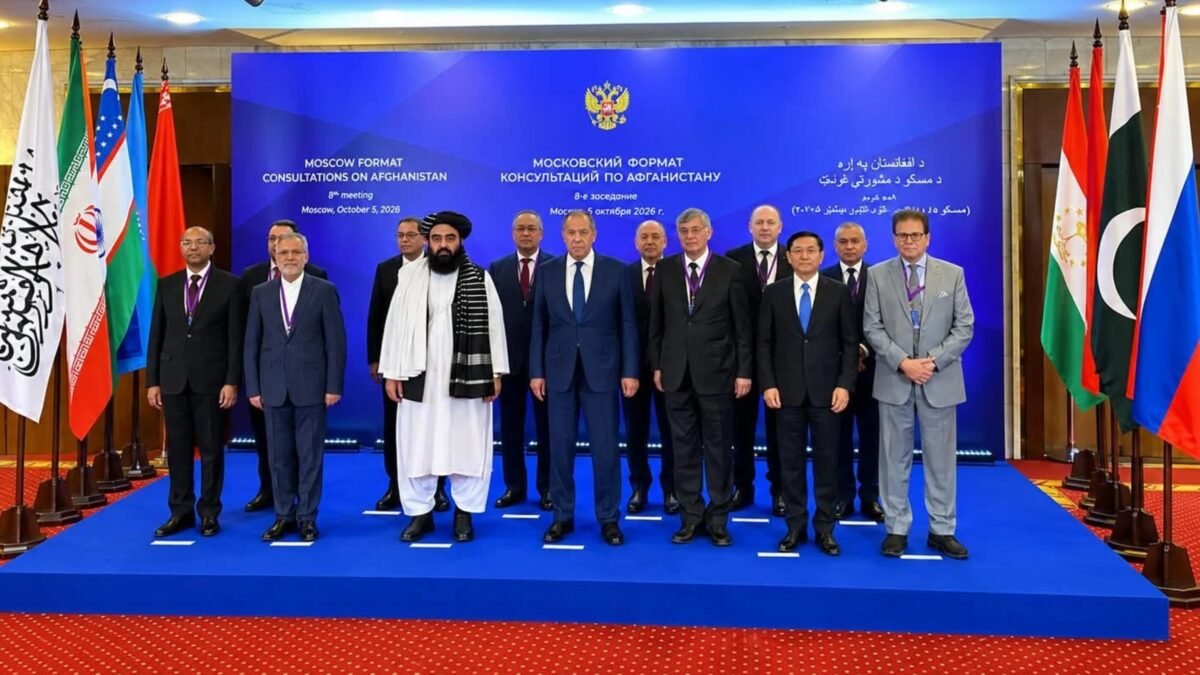
The armed border clashes triggered sharp diplomatic reverberations across regional and multilateral platforms in late September 2026:
• UN Security Council Consultations: On September 16, 2026, ahead of the UN General Assembly General Debate, the UN Security Council held closed consultations on Afghanistan. UN Special Representative Roza Otunbayeva informed member states that militant safe havens remained a severe threat to regional stability, overshadowing discussions on economic stabilization.
• Collapse of Moscow Format Consensus: During high-level preparations for the eighth Moscow Format consultations in late September (concluding early October), Afghan Foreign Minister Amir Khan Muttaqi clashed openly with Pakistani delegates. The meeting collapsed without a joint declaration because Kabul refused to endorse text characterizing Afghanistan as a staging ground for regional terrorism.
• Continued Western Sanctions Stance: The U.S. State Department reminded regional participants that the Taliban remain listed on the Specially Designated Global Terrorist (SDGT) registry, warning against premature formal recognition.
Strategic Analysis: Afghanistan's foreign relations are polarizing between regional economic pragmatists (Russia, Iran, Central Asian republics) and bilateral security hardliners (Pakistan). The inability to resolve mutual security grievances paralyzes multilateral platforms and prevents the de facto administration from converting regional normalization into formal international recognition.
Energy Sovereignty & Geopolitics: Hydrocarbon Accords & Sanctions
Saudi Delta Group Hydrocarbon Accord & The CentGas Pipeline Corridor
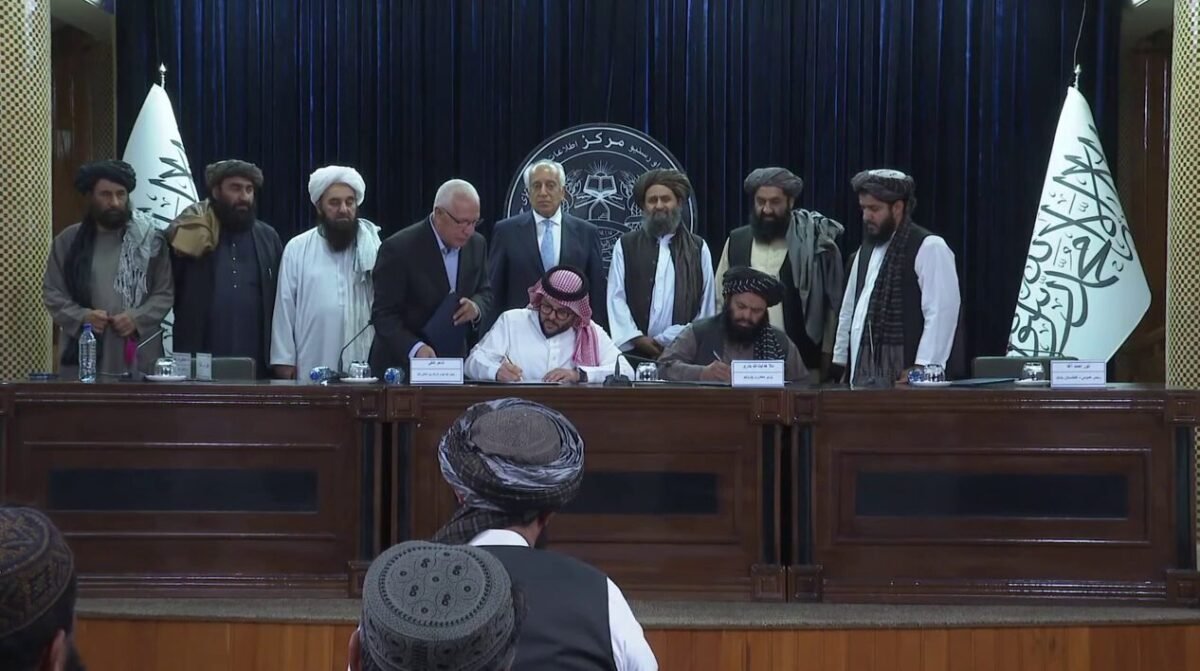
On September 7, 2026, the Taliban Ministry of Mines and Petroleum inked a landmark hydrocarbon development agreement in Kabul with Saudi Arabia's Delta Group. The pact authorizes Delta Group to conduct exploration and extraction across designated oil and natural gas blocks in western Herat Province, proximate to the Turkmen border.
Crucially, the agreement mandates comprehensive feasibility studies for a 700-kilometer domestic gas pipeline named the 'CentGas Corridor of Prosperity.' The planned infrastructure aims to transport gas extracted in Herat eastward across Afghanistan to power industrial generation plants and supply neighboring transit markets.
• The Khalilzad Factor: The signing ceremony featured former U.S. Special Representative for Afghanistan Reconciliation Zalmay Khalilzad, who actively facilitated commercial negotiations between the Saudi consortium and Taliban leadership, sparking widespread geopolitical debate regarding potential Gulf-Western backdoor engagement.
• U.S. State & Treasury Sanctions Warning: On September 12, 2026, the U.S. Department of the Treasury and the State Department issued a stern public advisory. Washington clarified that Khalilzad acted strictly in his personal capacity and explicitly warned that any corporate entity engaging in commercial deals with Taliban-controlled ministries risks severe secondary sanctions and financial isolation.
Strategic Analysis: The Delta Group agreement serves as a major test of whether private Gulf capital can monetize Afghan mineral wealth. While Kabul seeks export revenues and domestic power generation, Washington's immediate assertion of sanctions jurisdiction underscores that multi-billion-dollar infrastructure projects remain fundamentally uninsurable and commercially high-risk under prevailing legal frameworks.
Humanitarian Strain, Migration Influx & Food Security
IOM Reports 6.5 Million Returnees Amidst Critical Absorption Deficits
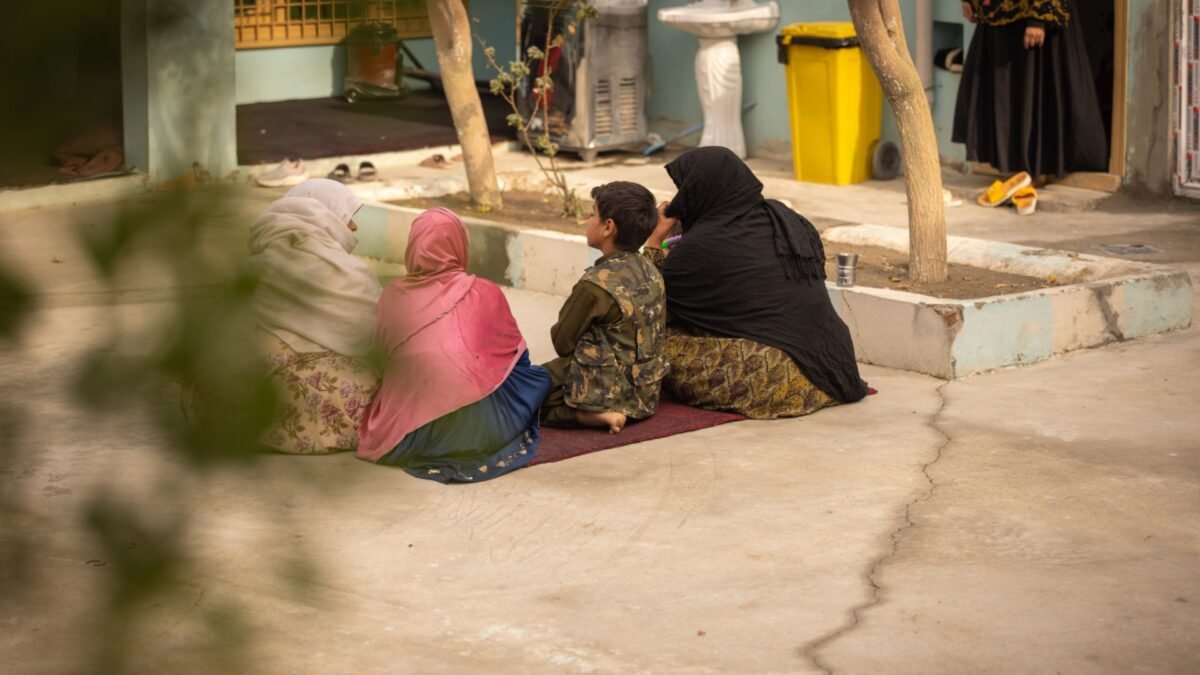
On September 28, 2026, the International Organization for Migration (IOM) published Round 3 of its Returnee Resilience Report. The report confirmed that between mid-September 2023 and August 31, 2026, over 6.5 million Afghan citizens returned or were forcibly expelled from Pakistan and Iran.
• Compounding Drivers: The continuing influx is driven by Phase 2 of Pakistan's Illegal Foreigners' Repatriation Plan (IFRP) and extensive municipal roundups across Iranian metropolitan centers.
• Absorption Bottlenecks: Over 60% of returnees have returned to communities where they possess no land tenure or civil registration documents. Urban border gateways (Herat, Nangarhar, Kandahar, and Kabul) have experienced severe wage depression, with daily casual labor rates declining by 25–35%, overwhelming basic municipal sanitation and healthcare.
FEWS NET Food Insecurity Update & Agricultural Projection
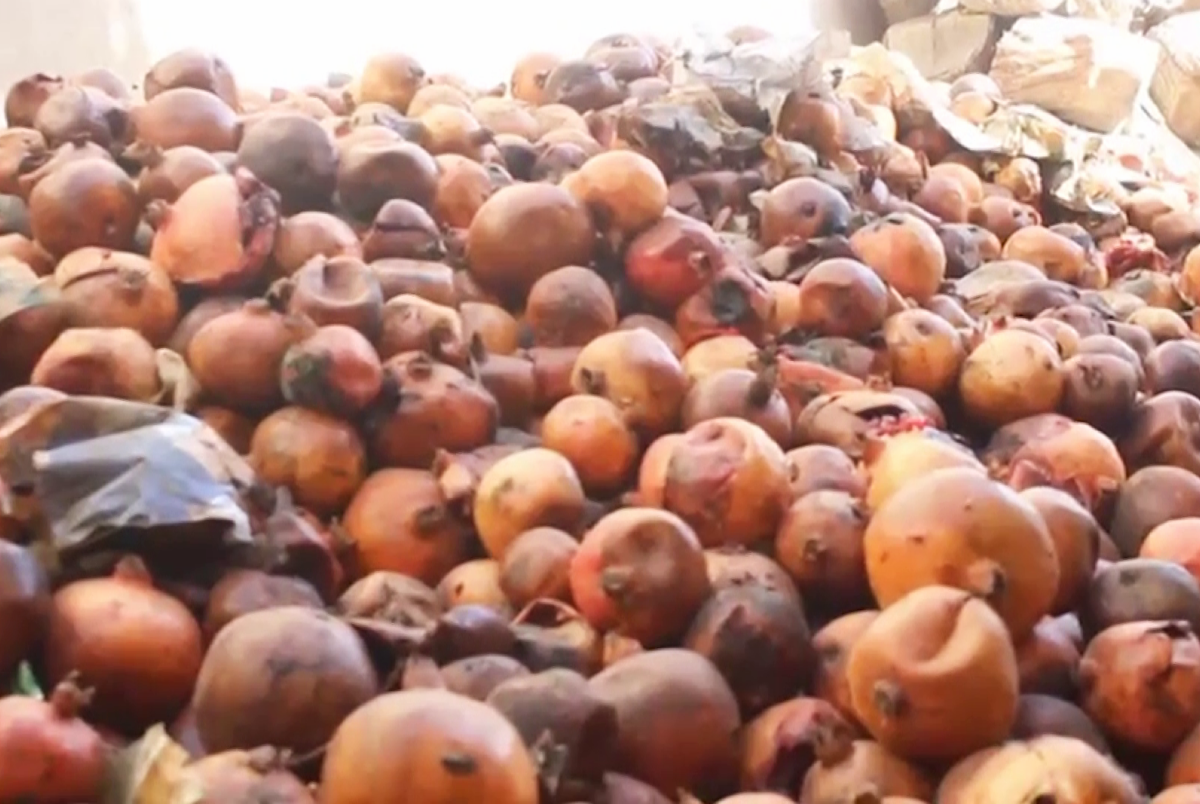
FEWS NET released its quarterly food security update covering September 2026 through January 2027, detailing diverging food security and agricultural trends:
• Entrenched Crisis Outcomes: Crisis (IPC Phase 3) acute food insecurity outcomes remain widespread across six provinces: Daykundi, Faryab, Ghor, Badakhshan, Nimroz, and Kunar. Severe food consumption gaps affect pastoralists and urban day laborers.
• Trade Route Disruptions: Recurrent military closures along the Torkham and Chaman border crossings throughout September halted commercial transit, stranding hundreds of refrigerated container trucks carrying seasonal pomegranate and grape harvests, inflicting devastating financial losses on southern and eastern farmers.
• Favorable Precipitation Outlook: Forecast models indicate above-average El Niño-induced precipitation from October 2026 through spring 2027, establishing optimal soil moisture conditions for winter wheat cultivation and replenishing drought-stricken water tables.
Strategic Analysis: While climatic trends offer hope for a resilient 2027 grain harvest, structural economic vulnerability persists. Border disruptions demonstrate how geopolitical hostilities directly undermine rural livelihoods, leaving millions dependent on an underfunded international aid pipeline.
Civil Space, Governance & Sustainable Infrastructure
Institutional Study on Compounding Costs of Female Education Bans

In late September 2026, the Raoul Wallenberg Institute (RWI) published an in-depth policy assessment examining the generational damage caused by the Taliban's comprehensive prohibitions on female education beyond grade six. The study noted that primary school attendance has fallen from 6.8 million in 2019 to 5.7 million, warning that dismantling female education permanently undermines the healthcare workforce and macroeconomic recovery.
Completion of UNDP SESEHA Solar Energy Infrastructure Milestone
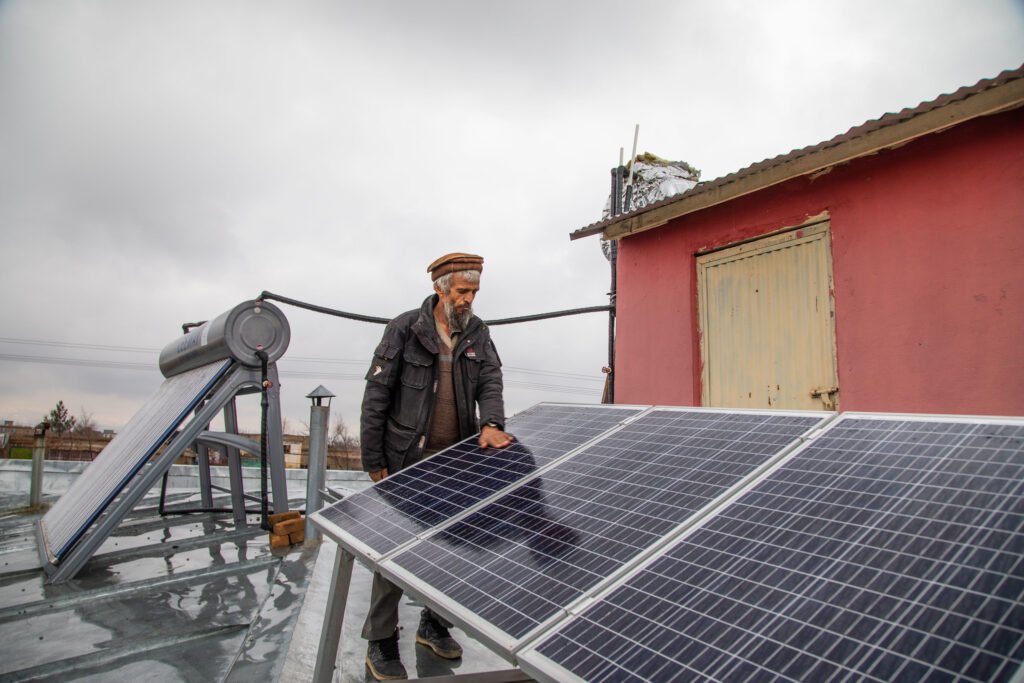
The United Nations Development Programme (UNDP) announced the completion of a major milestone in its Solar Energy for Sustainable Economic and Human Development in Afghanistan (SESEHA) initiative in late September 2026. The programme installed 9.8 MW of decentralized, off-grid solar energy systems, supplying continuous electrical power to over 800 critical health clinics and vocational training centres across remote districts.
Strategic Analysis: Decentralized solar installations demonstrate how humanitarian donors can deliver essential infrastructure directly to vulnerable communities without channeling funds through sanctioned state treasuries.
Sources
[1] Pakistan says it killed 28 militants, Afghan Taliban and UN report three civilian deaths
Publication: Reuters (By Mohammad Yunus Yawar) | Date: September 21, 2026
Web Link: https://www.reuters.com/world/asia-pacific/least-three-killed-pakistani-airstrike-afghanistan-tolo-news-reports-2026-09-21/
Summary: Primary international wire dispatch reporting on late September Pakistani airstrikes inside Kunar and Helmand provinces, Taliban casualty reports, and UN condemnation.
[2] Pakistani airstrikes in Afghanistan kill 10 civilians, Kabul and UN say
Publication: Associated Press / SFGATE | Date: September 2026
Web Link: https://www.sfgate.com/news/world/article/pakistani-airstrikes-in-afghanistan-kill-9-22457306.php
Summary: Detailed reporting on residential destruction in Garmsir district, verified civilian death tolls, and local eyewitness accounts.
[3] Pakistani airstrikes kill 9 in Afghanistan, Taliban say
Publication: Reuters / L'Orient Today | Date: September 30, 2026
Web Link: https://today.lorientlejour.com/article/1549309/pakistani-airstrikes-kill-9-in-afghanistan-taliban-say.html
Summary: Coverage of the September 30 airstrikes, Ministry of Defense statements in Kabul, and UNAMA verified figures of 1,100+ cross-border casualties in 2026.
[4] Taliban-Pakistan Dispute Blocks Joint Statement At Moscow Meet
Publication: Afghanistan International | Date: October 2026
Web Link: https://www.afintl.com/en/202610052273
Summary: Investigative coverage of the Moscow Format consultations, the clash between Muttaqi and Pakistani diplomats over terrorism phrasing, and the breakdown of regional consensus.
[5] Absence as Policy: Afghanistan a Quarter Century After 9/11
Publication: Casimir Pulaski Foundation (Warsaw) | Date: September 2026
Web Link: https://pulaski.pl/en/absence-as-policy-afghanistan-a-quarter-century-after-9-11/
Summary: Special analytical paper examining the September 7 Saudi Delta Group oil and gas agreement in Herat, the role of Zalmay Khalilzad, and US Treasury/State sanctions enforcement.
[6] Afghanistan – Returnee Resilience Report (Round 3, September 2026)
Publication: International Organization for Migration (IOM) / ReliefWeb | Date: September 28, 2026
Web Link: https://reliefweb.int/report/afghanistan/afghanistan-returnee-resilience-report-round-3-september-2026
Summary: Official United Nations migration report tracking the return and deportation of 6.5 million Afghans from Pakistan and Iran, documenting shelter and labor absorption challenges.
[7] Afghanistan Key Message Update: September 2026 – January 2027
Publication: FEWS NET / USAID / ReliefWeb | Date: September 2026
Web Link: https://reliefweb.int/report/afghanistan/afghanistan-key-message-update-september-2026-january-2027-above-average-winter-precipitation-expected-drive-favorable-winter-wheat-cultivation
Summary: Food security assessment detailing IPC Phase 3 crisis levels across 6 provinces, border export stoppages for fresh fruit, and winter wheat cultivation forecasts.
[8] The Consequences of the Taliban Ban on Girls' Education in Afghanistan
Publication: Raoul Wallenberg Institute (RWI) | Date: September 2026
Web Link: https://rwi.lu.se/publications/the-consequences-of-the-taliban-ban-on-girls-education-in-afghanistan/
Summary: Analytical human rights study tracking long-term systemic fallout from educational prohibitions, highlighting the 1.1 million drop in primary school enrollment.
[9] Solar Energy for Sustainable Economic and Human Development in Afghanistan (SESEHA)
Publication: United Nations Development Programme (UNDP) | Date: September 2026
Web Link: https://www.undp.org/afghanistan/projects/solar-energy-sustainable-economic-and-human-development-afghanistan-seseha
Summary: Programme overview of the 9.8 MW decentralized solar energy rollout across 800 medical clinics and community facilities across Afghanistan.

Subscribe Now
Don’t miss our future updates! Get Subscribed Today!
© 2024 White Assembly. All Rights Reserved.